Managing Stress
Introduction
Stress management is essential for maintaining mental and physical health. Engaging in regular exercises can prevent stress from accumulating and help manage it when it arises. Here, we explore six exercises, three for prevention and three for management, that incorporate both body and mental techniques.
Exercises to Prevent Stress
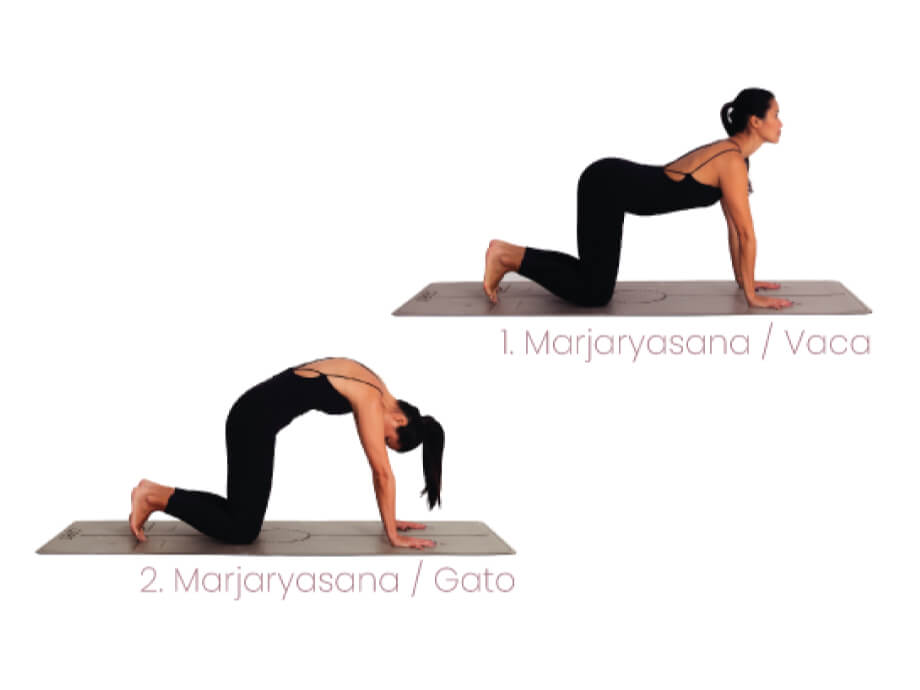
- Morning Yoga Routine Yoga stretches are beneficial for flexibility and reducing morning stiffness.
- Instructions: Start with a gentle warm-up by sitting in a comfortable position. Begin with neck rolls, followed by shoulder shrugs. Move into a cat-cow stretch by getting on all fours, arching your back up like a cat, then down like a cow. Finish with a child's pose, stretching your arms forward and sinking your hips back.
- Benefit: Performing this routine daily would improve flexibility, reduce tension, and help start your day with a calm mind.

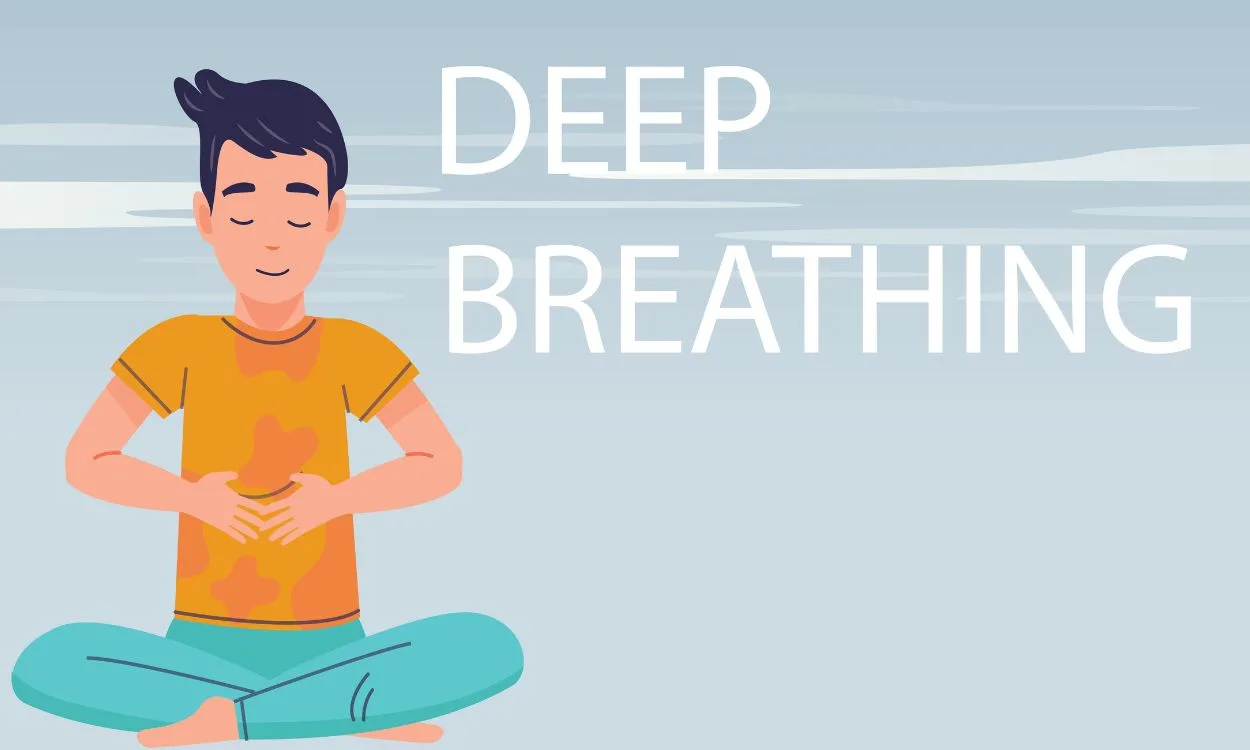
- Deep Breathing Exercise Deep breathing can help to relax your mind and body, reducing overall stress levels.
- Instructions: Sit or lie down in a comfortable position. Place one hand on your chest and the other on your abdomen. Take a deep breath in through your nose, ensuring your diaphragm (not your chest) inflates with enough air to create a stretch in your lungs. Exhale slowly through your mouth. Repeat for 5-10 minutes.
- Benefit: Regular practice of deep breathing exercises would enhance your ability to stay calm and focused under pressure.
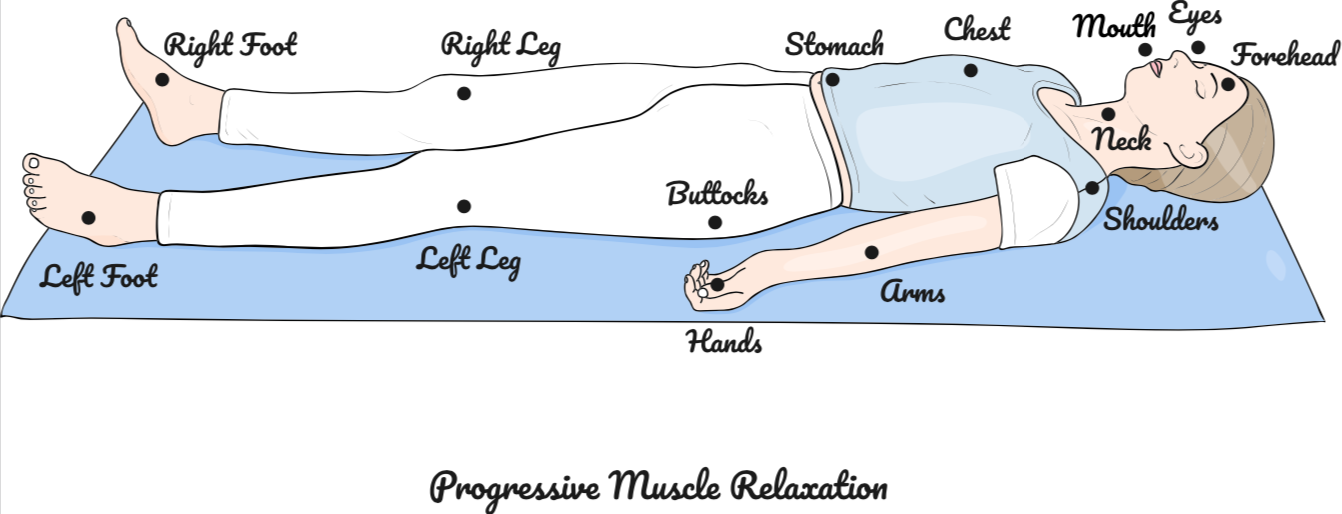
- Progressive Muscle Relaxation This exercise involves tensing and then slowly relaxing each muscle group.
- Instructions: Find a quiet place to sit or lie down. Start by tensing the muscles in your toes, holding for a few seconds, and then releasing. Gradually work your way up through your body—legs, abdomen, chest, arms, and face. Focus on the feeling of relaxation as each muscle group is released.
- Benefit: Practicing this exercise regularly would help you recognize and reduce physical tension, leading to a more relaxed state overall.
Exercises to Manage Stress
- Mindful Walking Mindful walking involves paying full attention to the experience of walking.
- Instructions: Find a quiet place where you can walk undisturbed. Begin by standing still and taking a few deep breaths. Start walking slowly, paying attention to the sensation of your feet touching the ground, the movement of your legs, and the rhythm of your breathing. Focus on the present moment and your surroundings.
- Benefit: This exercise would help ground you in the present, reducing feelings of anxiety and stress.
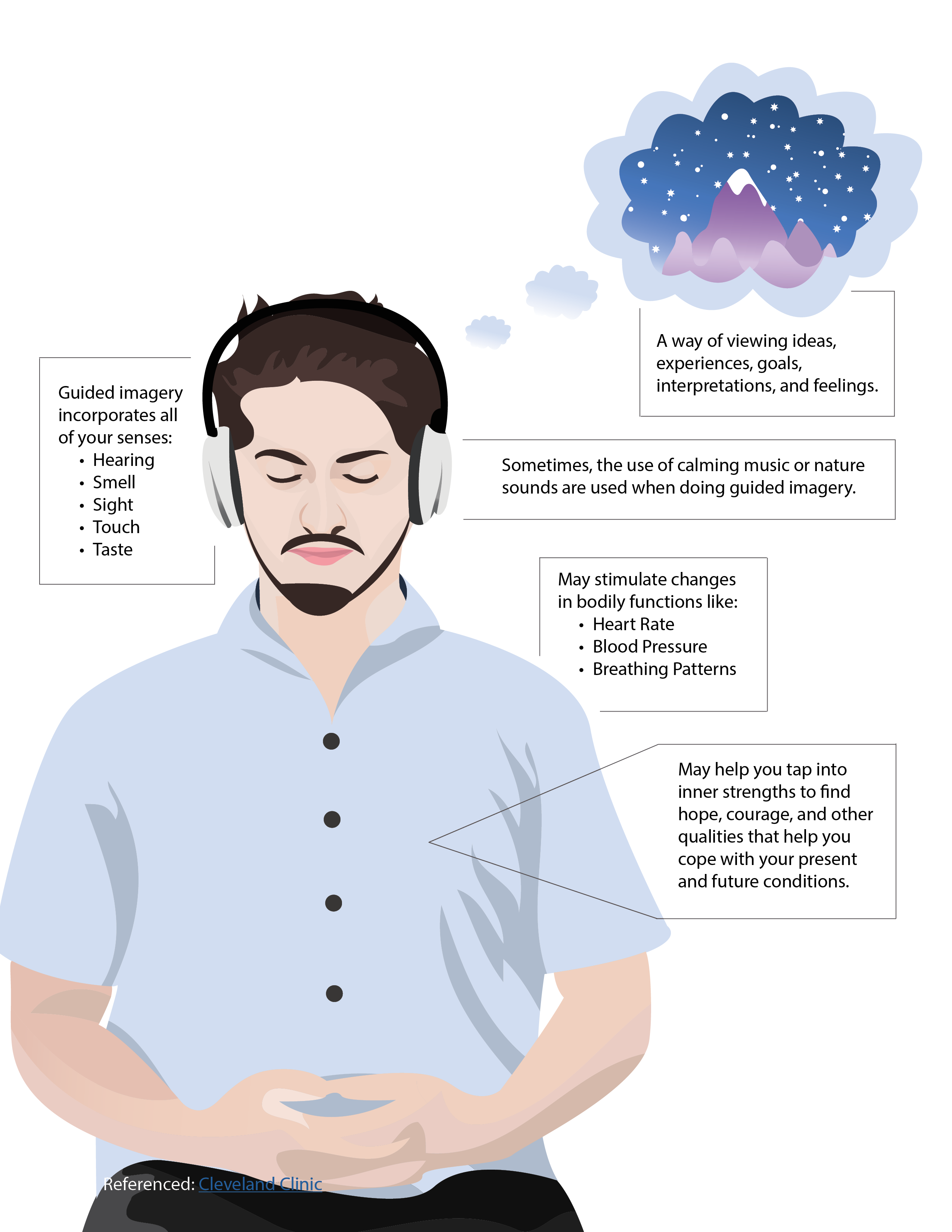
- Guided Imagery This exercise uses visualization to create a calm and peaceful setting in your mind.
- Instructions: Sit or lie down in a comfortable position. Close your eyes and take a few deep breaths. Imagine a place where you feel completely at ease—this could be a beach, forest, or any place that makes you feel relaxed. Visualize this place in detail, using all your senses. Spend 10-15 minutes in this state.
- Benefit: Guided imagery would help to distract your mind from stressors and create a sense of peace and relaxation.
- Journaling Writing down your thoughts and feelings can help to process and reduce stress.
- Instructions: Set aside 10-15 minutes each day to write in a journal. Focus on your feelings, experiences, and any stressors you’re currently facing. Don’t worry about grammar or spelling—just let your thoughts flow onto the paper. Reflect on what you’ve written and identify any patterns or insights.
- Benefit: Journaling would help clarify your thoughts, making it easier to manage stress and find solutions to problems.

Conclusion
Incorporating these exercises into your daily routine can significantly prevent and manage stress. By committing to these practices, you would develop a resilient mind and body, better equipped to handle life's challenges.
Comentarios
Publicar un comentario